Join the SMART NT network and bring advanced early screening to your patients. We collaborate with selected clinics to provide training, and access to comprehensive genetic testing pathways under the SMART NT program.
Every practitioner performing early pregnancy scans has encountered a 10-week fetus with a “hydropic appearance” or marked skin oedema. In such situations, professionals often feel frustrated: the baby looks unwell, yet there is no clear pathway for management. The immediate questions are whether to inform the parents and which tests to arrange, or where to refer. It is clear that the CVS option does not exist at 10 weeks. So, should we “ignore” the finding and rescan in two weeks to measure the NT? Does that sound correct?
We have developed a clear, streamlined 10 weeks NT pathway that combines high-resolution scans with advanced NIPT. Train with us, partner with us, and improve care for pregnant women.
We collaborate with sonographers, obstetricians, early pregnancy or fetal medicine specialists and clinics across both the NHS and private sector. We are equally keen to partner internationally for training, accreditation and rollout.
Based in London, UK, we work with providers delivering first-trimester scanning in any setting. We’re actively seeking global collaborations for training, certification and implementation.
For Greater London providers
If you have a patient at 9–10 weeks with increased nuchal translucency (NT), generalised fetal oedema, cystic hygroma, or early fetal hydrops, please refer her to our clinic for assessment and discussion of the SMART NT pathway. She will receive a discounted 10-week scan as soon as possible (usually within 24–48 hours), discounted KNOVA NIPT, and a targeted scan at 12–13 weeks.
For providers elsewhere in the UK
This pathway may be less practical because of the logistics of travelling to London. We will accept a report from an NHS or other CQC-registered ultrasound provider (an image of the increased NT measurement is essential). We will arrange online NIPT counselling promptly and send a KNOVA kit by courier with instructions. We strongly advise arranging and attending our clinic for the 12–13-week targeted scan.
Please note: the pathway for SMART NT Affiliated Clinics is different.
Early concerns at 9–10 weeks are not limited to increased NT. It’s not uncommon to see a viable fetus at 9–10 weeks with features that look abnormal or unusual, yet there is often no clear UK referral pathway to a Fetal Medicine Unit at this stage. EPAU services are excellent for maternal and gynaecological emergencies and confirming viability, but they are not designed for detailed early fetal anatomical assessment or genetics counselling.
We provide a solution. We offer discounted second-opinion scans led by fetal-medicine specialists, with same- or next-day appointments where possible. We will update you on your patient’s findings and advise on any further actions if required.
You can download our "10 Week NT Measurement and Management Protocol (LPC) - 2025" here.
Starting in 2026, we will launch our free introductory course, Increased NT at 10 Weeks: Diagnosis, Management and Prognosis.
We will then introduce our advanced training module, SMART 10–16: Encyclopaedia of Early Anomalies - Scan + NIPT pathway
This will be followed by a formal certification and affiliation programme.
Treatment for breast cancer depends on the type, stage, and whether the cancer has spread. Common treatments include surgery to remove the cancer, radiotherapy to destroy any remaining cancer cells, and chemotherapy to target cancer throughout the body. Some women may also be offered hormone therapy or targeted therapy, depending on the cancer's characteristics.
In cases of hereditary breast cancer, treatment plans may also include discussions around preventative options, such as risk-reducing surgery (e.g. double mastectomy), particularly if a high-risk gene is involved. Your care team will work with you to choose the best treatment approach for your situation, focusing on both effectiveness and quality of life.
Disclaimer! The information provided in this article is for educational purposes only and is based on NHS recommendations. It is not a substitute for professional medical advice. Always consult your doctor or a qualified healthcare provider for advice on medical conditions or treatments.
We offer expert advice and testing for a range of genes that may increase your risk of developing certain types of cancer.
View Full Gene List
Genetic testing helps assess your cancer risk - explore the diagnostic tests we offer for a range of cancers
Increased NT, early hydrops, or cystic hygroma? Don’t wait until 12 weeks - refer now for an urgent expert scan, KNOVA NIPT and SMART NT pathway.


Master SMART NT: 10-week scan + early fetal echo—train now. See it early, act early: iNT detection and management training.From image to decision: acquire, measure, interpret, decide.Hands-on, case-rich, expert-led—limited places; book today.10–13-week anatomy, NT criteria, pitfalls, pathways—all covered.Early CHD focus: targeted fetal echo at 12–13 weeks.For sonographers, obstetricians, fetal medicine teams.Online modules + live scanning options with certificates of completion.

Join our network: affiliation + SMART NT accreditation — start your application today
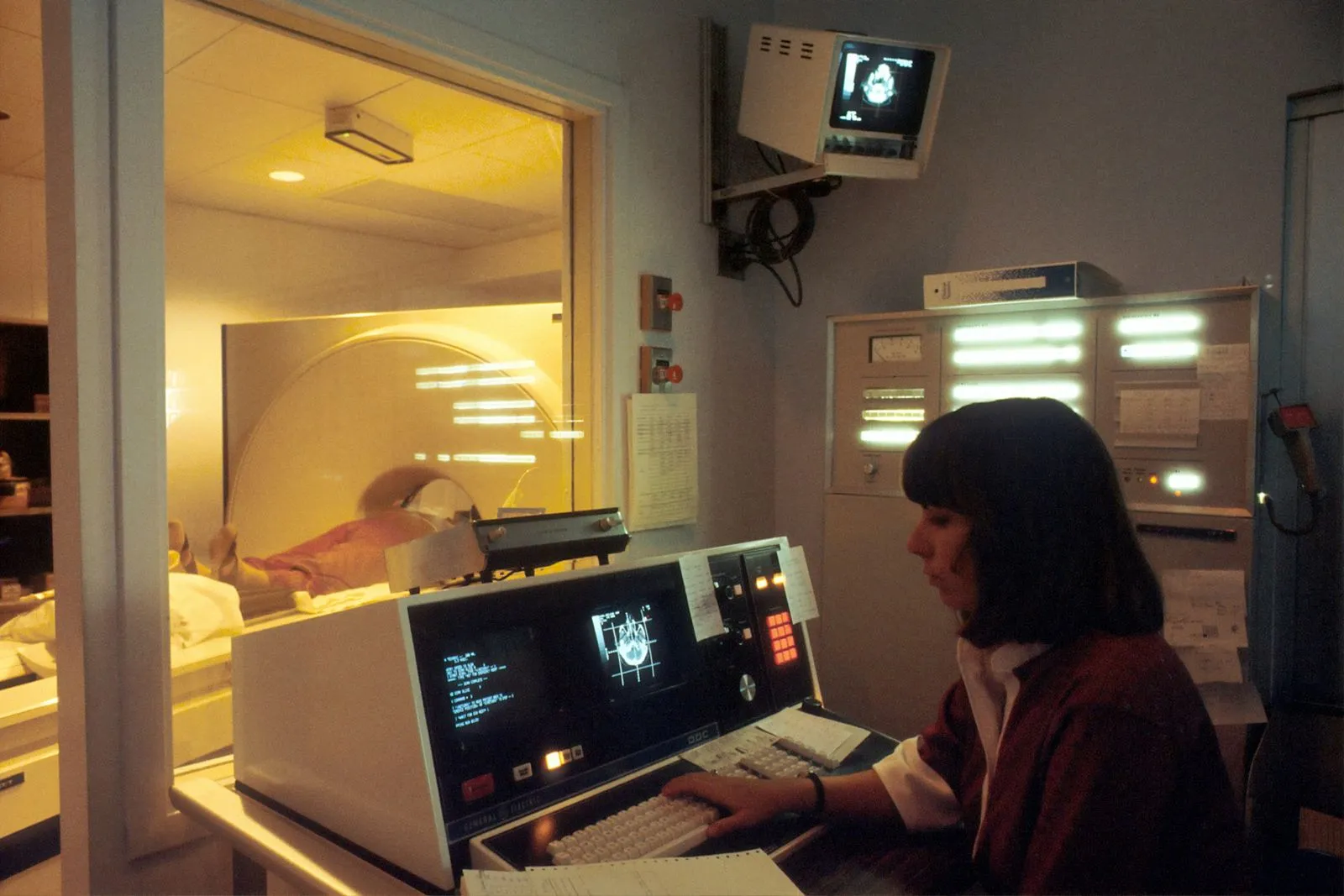
Download London Pregnancy Clinic (London, UK) protocol for nuchal translucency measurement at 10 weeks and management of the increased NT
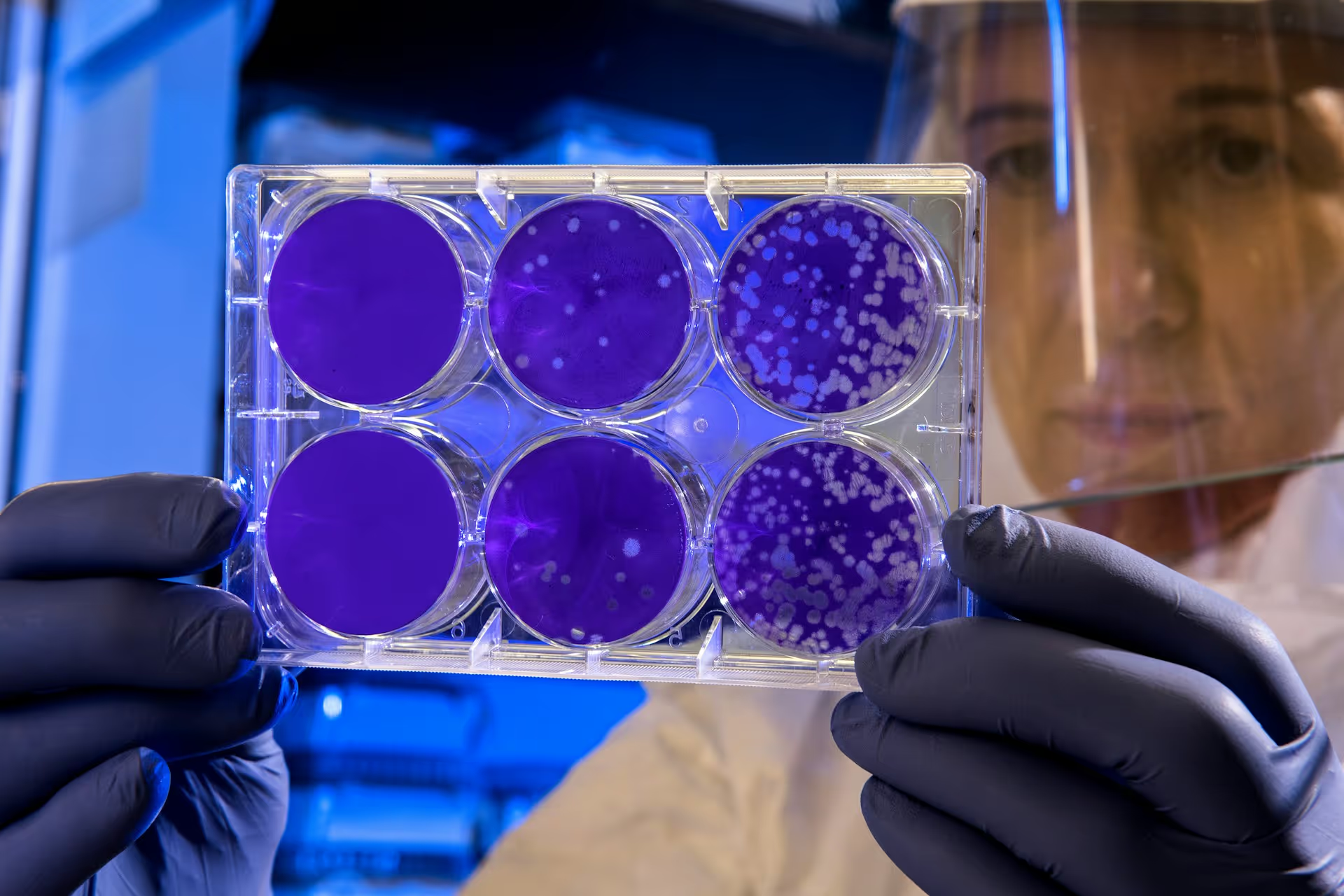
At Jeen, genetic testing for breast cancer is available to anyone who wants to better understand their inherited risk, especially if you have a personal or family history of breast, ovarian, or related cancers.
You don’t need a referral, and there’s no strict checklist to meet. Even if you feel healthy, testing can reveal gene changes you wouldn’t otherwise know about. Our expert team will guide you through your eligibility during your consultation, helping you decide if testing is right for you.

Genetic testing for breast cancer is worth it because it gives you answers you can act on. Inherited gene changes can raise your risk, even without symptoms or a family history.
Knowing about them early means you can take steps to reduce that risk, from increased screening to prevention. With Jeen, you get results you can trust. It’s not just a test, it’s a way to take charge of your health and future.
Genetic testing for breast cancer looks for inherited changes, called mutations,in genes that can raise your risk. The most well-known are BRCA1 and BRCA2, which help repair DNA.
If they’re not working properly, your chance of developing breast or ovarian cancer goes up. At Jeen, we also test for other important genes like PALB2, CHEK2, and TP53. Finding these changes can help guide your screening, prevention, or treatment options.
You should consider genetic testing if you have a family history of breast, ovarian, or related cancers, especially if they were diagnosed at a young age. It’s also recommended if a relative has a known BRCA1 or BRCA2 mutation, or if multiple family members on one side have had cancer. At Jeen, our team helps you understand if testing is right for you. Even if your family history isn’t obvious, hidden risk can still be there, and testing brings clarity.
You should consider genetic testing for breast cancer if you notice any unusual lumps or changes in your breast tissue, or if breast or ovarian cancer runs in your family, especially if diagnosed under age 50 or affecting multiple relatives It’s also worth it if a close relative has a known BRCA mutation.
But you don’t need a strong family history to benefit from these tests. At Jeen, we offer at-home testing and expert support to help you decide the right time, whether you’re planning proactively or following up on your family history.
Jeen's at-home breast cancer tests are just as accurate as hospital-based ones. We work with accredited lab, Fulgent Genetics, that use advanced 50x DNA sequencing to spot inherited risks. You’ll also get expert support from our genetic counsellors, who guide you through your results clearly and compassionately : before, during and after testing. It’s trusted, clinical-grade care, all from the comfort of home.
Jeen’s breast cancer genetic testing is built for clinical accuracy. We use high-depth DNA sequencing to detect meaningful inherited changes, not just any variation. Every result is carefully reviewed by experts and clearly explained by our genetic counsellors, so you know exactly what it means for your health.
With trusted technology and personalised support, your results are accurate, reliable, and easy to understand from the comfort of home.
In the UK, most people are invited for NHS breast screening every three years from age 50 to 53 until one turns 71. But if you have a higher genetic risk like a BRCA mutation, you may need annual screening, starting earlier. That’s where genetic testing comes in. It helps uncover inherited risks so your screening plan can be personalised, not one-size-fits-all. With the right insight, you can take steps to protect your health sooner.
Breast cancer genetic testing is available on the NHS if you meet certain criteria like a strong family history. Your GP or specialist can refer you to a genetic counselling service, but NHS testing may be limited to key genes and involve longer wait times.
Private genetic testing, like Jeen’s, is available without referral, offers broader gene panels, and delivers faster results. We provide clear pricing and expert guidance, so you can take control without delay.
Jeen’s genetic testing for breast cancer is priced at £660. This all-inclusive cost covers your at-home DNA kit, lab analysis using high-depth 50x sequencing, and a personalised consultation with one of our expert genetic counsellors.
The test analyses 50 carefully chosen genes, each backed by strong scientific evidence linked to prostate cancer risk. You’ll get accurate insights into your inherited risk and support to help you decide on next steps with no extra charges or referrals needed.
Our team of experts is here to help. We're just a message away.

Lorem ipsum dolor sit amet conse ctetur adip iscing elit justo quis odio sit sit ac port titor sit males dolor sit consectur dolor.

Lorem ipsum dolor sit amet conse ctetur adip iscing elit justo quis odio sit sit ac port titor sit males dolor sit consectur dolor.

Lorem ipsum dolor sit amet conse ctetur adip iscing elit justo quis odio sit sit ac port titor sit males dolor sit consectur dolor.

Lorem ipsum dolor sit amet conse ctetur adip iscing elit justo quis odio sit sit ac port titor sit males dolor sit consectur dolor.

Lorem ipsum dolor sit amet conse ctetur adip iscing elit justo quis odio sit sit ac port titor sit males dolor sit consectur dolor.

Lorem ipsum dolor sit amet conse ctetur adip iscing elit justo quis odio sit sit ac port titor sit males dolor sit consectur dolor.